
USPTO Implements Separate Design Patent Practitioner Bar

The United States Patent and Trademark Office (USPTO) has recently introduced a significant update to its rules concerning patent practitioners. This revision establishes a separate design patent practitioner bar, distinguishing it from the existing general patent bar. The new regulation aims to refine the qualifications and specialization of practitioners involved specifically in design patent proceedings. This development comes as a response to the evolving nature of technology and the growing diversity of expertise necessary for effective representation.
Before this rule change, the patent bar encompassed practitioners involved in utility, plant, and design patents. However, the qualifications for admission were uniform, irrespective of the type of patent involved. The USPTO initiated a process of public engagement to gather feedback and insights into expanding the criteria for the patent bar, particularly focusing on the scope and eligibility criteria for a distinct design patent practitioner bar.
Following the public consultation process, the USPTO received extensive support for creating a separate design patent practitioner bar. Proponents highlighted several advantages, including alignment with design patent examiners' criteria, improved quality and representation in design patent matters, enhanced opportunities for underrepresented groups, and the potential for reduced costs and increased competition among practitioners. Moreover, establishing this bar was seen as a means to ensure consistent, high-quality design patents through qualified practitioners, thereby benefiting both applicants and the broader public.
However, not all feedback was in favor of this change. Some concerns were raised, predicting potential confusion among the public, increased identification costs for suitable counsel, additional administrative burdens on the USPTO, and potential ethical and malpractice concerns arising from the division of the bar.
Considering the input received, the majority consensus among supporters of the separate design patent practitioner bar was in favor of applicants taking a modified version of the current registration examination. This modified examination would adapt its scientific and technical requirements to better align with the specific needs of design patent practitioners. For instance, suggestions included incorporating design-related degrees as a requirement, underlining that such qualifications could enhance the quality of design patents by ensuring practitioners possess specialized knowledge pertinent to the field.
Ultimately, this move reflects the USPTO's commitment to maintaining high standards of competence among practitioners while accommodating the evolving complexities of patent law and technological advancements. The implementation of a separate design patent practitioner bar is scheduled to take effect from January 2, 2024. This initiative is expected to facilitate better representation, promote inclusivity, and improve the overall quality and accessibility of design patent services offered before the USPTO.
More insights
Does the Uspto Issue Secret Patents on Aerospace Innovations
Written by : Tom Cowan Key Takeaways : Despite periodic mentions by aerospace innovators of “secret patents,” this author is not aware of any evidence of such patents. There may be confusion with “Secrecy Orders,” which apply to…
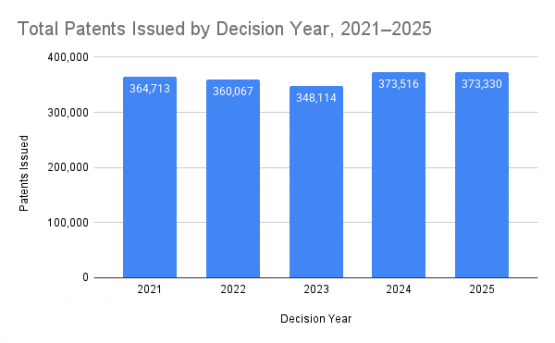
Patexia Patent Insight 20: Patent Issuance Levels Hold Steady Through 2025
Raw numbers often say more than commentary. In patent prosecution, issuance data provides one of the clearest signals of how much innovative activity is actually making its way through the system. Unlike filings, which can reflect short-term strategy…
Life Science Considerations on the Uspto S New Guidelines for Ai Assisted Inventorship
Written by : Robert J. Hilton, Ph.D. and Susan M. Janicki, Ph.D. On November 26, 2025, the United States Patent and Trademark Office (USPTO) issued revised guidelines for determining inventorship of AI-assisted inventions, [1] which is a significant…