
World Intellectual Property Organization holds an innovation consortium
A
Alejandro Freixes
October 26, 2011Unsorted2 min read
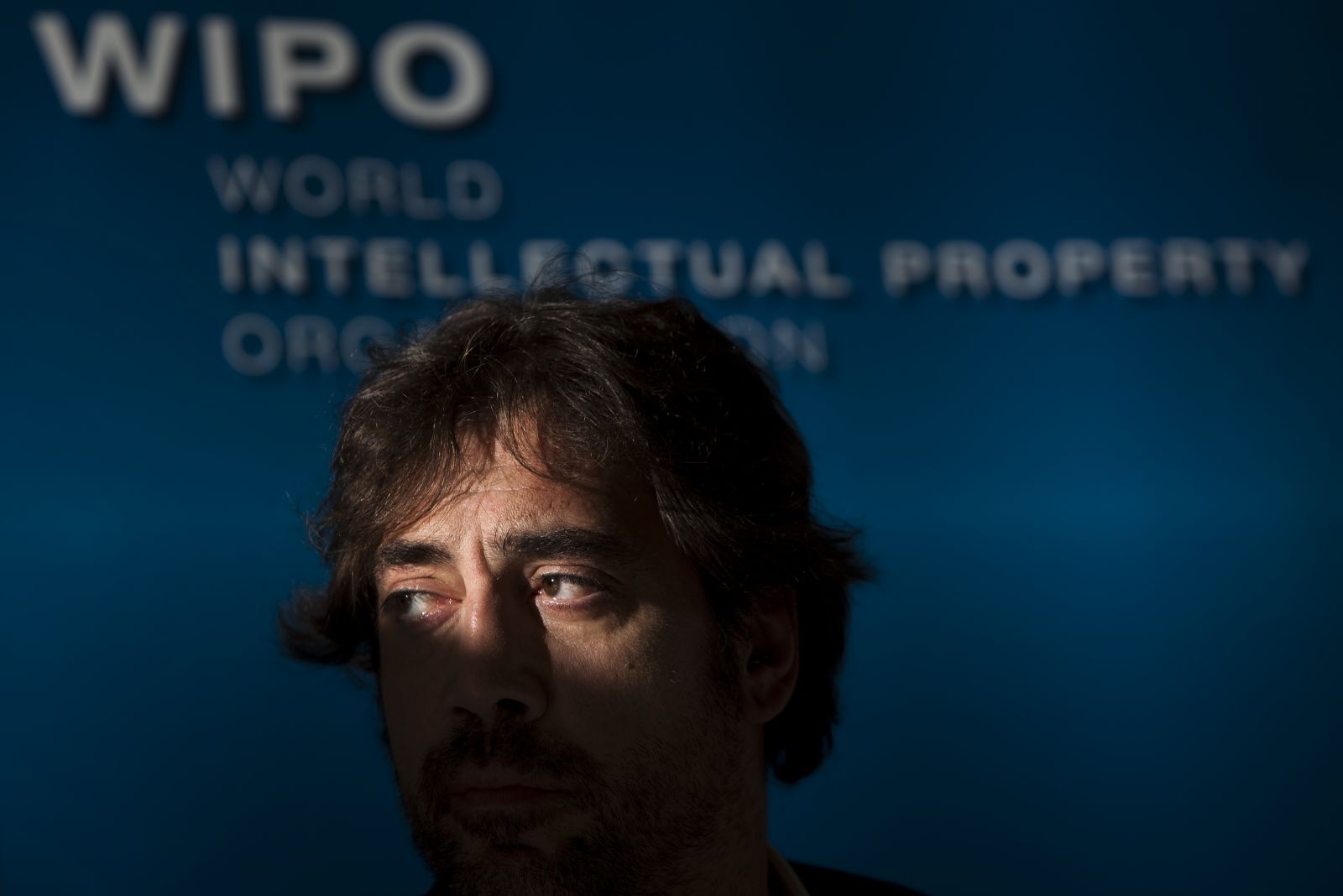
GENEVA (Reuters) - The World Intellectual Property Organization launched a consortium on Wednesday that would allow the public and private sector to share intellectual property to promote the development of new drugs to treat diseases such as malaria.
The "WIPO Re:Search" initiative hopes to speed up development of medicines, vaccines and diagnostics that might otherwise go under-researched, or might never be developed because the potential market is not lucrative enough.
"By joining WIPO Re:Search, companies and researchers commit to making selected intellectual property assets available under royalty-free licenses to qualified researchers anywhere in the world for research and development on neglected tropical diseases, malaria and tuberculosis" Francis Gurry, WIPO's director general said.
Pharmaceutical giants including AstraZeneca , GlaxoSmithKline, Novartis and Pfizer are among those who joined the consortium.
"Increasing access to our collective proprietary information will help advance research into treatment options for these underserved diseases," said David Brennan, chief executive of AstraZeneca and president of the International Federation of Pharmaceutical Manufacturers & Associations (IFPMA).
Research needed to discover new drugs for the treatment of tropical diseases can cost around $2-3 billion and takes up to 12 years to develop, Brennan said.
Membership of WIPO Re:Search as a user, provider, or supporter is open to all organizations that support the project's guiding principles, a WIPO statement said.
These principles include the commitment that intellectual property is licensed on a royalty-free basis for research and development on tropical diseases in any country, and on a royalty-free basis for sale of tropical disease medicines in or to least developed countries, it added.
However, Medecins Sans Frontieres expressed concern over the accessibility of the resources.
"WIPO is taking an unacceptable step in the wrong direction by setting the bar for access too low," its statement said.
"Instead of allowing all countries where neglected diseases are prevalent to access the products, the initiative restricts royalty-free licenses to least-developed countries only, with access for other developing countries negotiable."
The statement added that many patients affected by neglected tropical diseases were not in least-developed countries.
"In the Americas, for example, Chagas disease affects 21 countries, but the consortium will only provide royalty-free licenses for Haiti, where Chagas is not endemic," it said.
wipopfizerdrugsastrazenecaglaxosmithklinenovartisworld intellectual property organizationconsortiummalariadiagnosticsvaccinestropical diseasestuberculosisinternational federation of pharmaceutical manufacturers & aifpma
More insights
Unsorted
Space Tech Investment Grows in 2026 Amid Congressional Proposals Affecting Contractual IP Rights
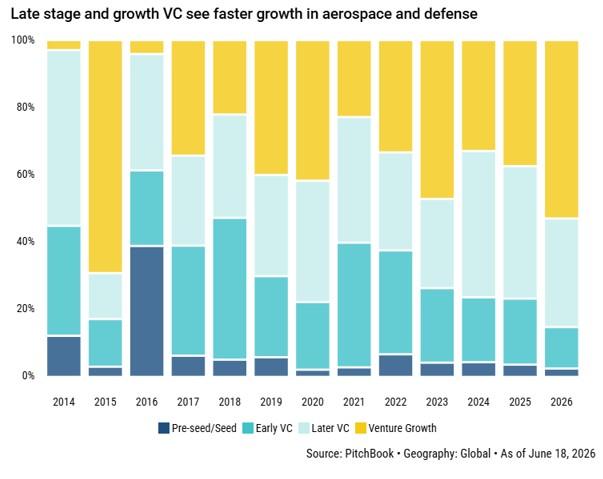
Written by : Tom Cowan Key Takeaways : Private investment in space technology continues an upward trend in 2026, with increasing growth in late stage and venture growth deals, including private equity purchases. Against a backdrop of the “dual…
July 13, 2026Unsorted4 min read
Amendments to Mexico S Federal Law for Protection of Industrial Property Inform More Flexible International Ip Strategy for Biotech Companies
Written by : J ason J. Jardine and Lizzy T. Do Key Takeaway: Amendments to Mexico’s Federal Law for Protection of Industrial Property align more with U.S. Patent and Trademark Office standards for restoring priority and application revival,…
June 29, 2026Unsorted1 min read
Public Funding for Energy Innovation Impacts Private Intellectual Property Rights
Written by : Kimberly M. Papadantonakis, Ph.D. Key Takeaway : The value of intellectual property developed using government funds depends upon compliance with disclosure and licensing rules. Public investment is critical to the development and…
June 26, 2026Unsorted3 min read