
Potential Sanctions for Alleged Intellectual Property Theft on the Horizon?

Background
On January 5, 2023, President Biden signed into law S. 1294, the “Protecting American Intellectual Property Act of 2022”. The Act requires the president to report to Congress and impose sanctions on any foreign person or entity the president identifies that has committed or “provided significant financial, material, or technological support” for the significant theft of trade secrets that are “reasonably likely to result in or has materially contributed to a significant threat to the national security, foreign policy, or economic health or financial stability of the United States.”
If there is a presidential finding of a trade secret theft, the Act mandates the imposition of five of the sanctions from among the menu of potential sanctions listed below, including the following:
- Blocking and prohibiting all transactions involving property and interests in property subject to U.S. jurisdiction
- Including the entity or person on the Entity List
- Prohibiting the Export-Import bank from being involved in the financing of any export of goods or services for the entity
- Prohibiting U.S. financial institutions from loaning more than $10,000,000 to the entity in any given year
- Directing U.S. executive directors at international financial institutions to oppose loans to the entity
- Prohibiting the entity from continuing or becoming a primary dealer in U.S. government debt instruments
- Prohibiting the entity from being a repository of U.S. government funds
- Prohibiting the U.S. government from procuring any goods or services from the entity
- Prohibiting any transactions in foreign exchanges subject to the jurisdiction of the U.S.
- Prohibiting any transfers of credit or payments between financial institutions subject to the jurisdiction of the U.S.
- Prohibiting U.S. persons from investing in or purchasing significant amounts of equity or debt instruments of the entity
- Denying visas to any aliens that is a corporate officer or principal of, or a controlling shareholder of the entity
- Imposing any of the above sanctions on executive officers or similar personnel of the entity
The first option, which blocks and prohibits all transactions subject to U.S. jurisdiction, would substantially harm a company’s U.S. operation. The second option, which places any identified company on the Entity List, would have a significant effect outside the United States, and effectively prevent a company from acquiring any U.S.-origin commodities or technologies. While the Act mandates the imposition of five sanctions upon a presidential finding of an alleged trade secret theft, the president will have the discretion to choose which sanctions to impose.
More insights
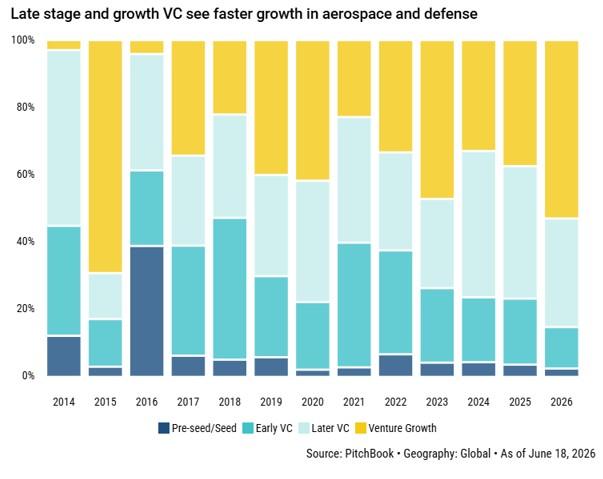
Space Tech Investment Grows in 2026 Amid Congressional Proposals Affecting Contractual IP Rights
Written by : Tom Cowan Key Takeaways : Private investment in space technology continues an upward trend in 2026, with increasing growth in late stage and venture growth deals, including private equity purchases. Against a backdrop of the “dual…
Amendments to Mexico S Federal Law for Protection of Industrial Property Inform More Flexible International Ip Strategy for Biotech Companies
Written by : J ason J. Jardine and Lizzy T. Do Key Takeaway: Amendments to Mexico’s Federal Law for Protection of Industrial Property align more with U.S. Patent and Trademark Office standards for restoring priority and application revival,…
Public Funding for Energy Innovation Impacts Private Intellectual Property Rights
Written by : Kimberly M. Papadantonakis, Ph.D. Key Takeaway : The value of intellectual property developed using government funds depends upon compliance with disclosure and licensing rules. Public investment is critical to the development and…