
The Positive and Negative Impacts of Patent Litigation on Innovation: A Closer Look
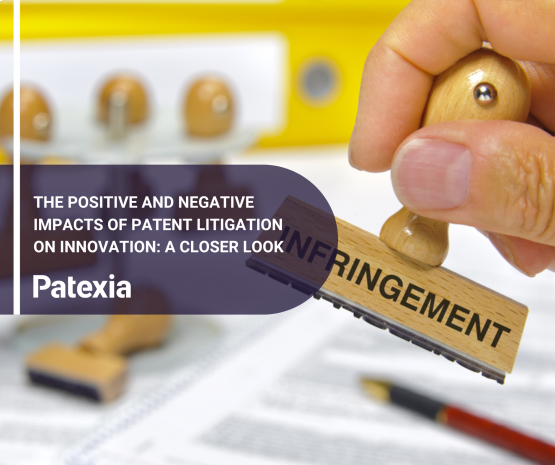
Patent litigation, the process of taking legal action over alleged infringement of a patent, can have a significant impact on innovation. Patents are intended to provide inventors with the exclusive right to make, use, and sell their inventions for a certain period of time in exchange for disclosing their invention to the public. However, the reality of patent litigation is that it can be a long and costly process, with the potential to stifle innovation rather than promote it.
One of the major ways that patent litigation can impact innovation is through the phenomenon of "patent trolling." Patent trolling refers to the practice of purchasing patents with the intent of enforcing them against alleged infringers, rather than using them to create new products or services. Patent trolls can use the threat of expensive litigation to extract settlements from companies, which can divert resources away from innovation and into legal fees.
Another way that patent litigation can impact innovation is through the high costs associated with patent litigation. The cost of patent litigation can be prohibitively expensive for small and medium-sized businesses, which may not have the resources to defend themselves against patent infringement lawsuits. This can make it difficult for these businesses to compete in their industries, and may discourage them from investing in research and development.
However, it's important to note that patent litigation also plays a critical role in protecting the intellectual property rights of inventors. It allows them to defend their rights and prevent others from profiting off of their work without permission. Furthermore, patent litigation can also help to clarify the scope and validity of patents, which can aid in the advancement of technology and innovation.
In conclusion, patent litigation can have both positive and negative impacts on innovation. While it's necessary to protect the intellectual property rights of inventors, the high costs and potential for abuse by patent trolls can stifle innovation. To mitigate these negative impacts, efforts have been made by government and private sectors to reform patent laws and practices, such as reducing frivolous lawsuits, increasing transparency, and streamlining the patent examination process. These changes aim to balance the rights of inventors with the needs of the public to promote innovation.
More insights
Changes to Mexican Patent Law May Impact Life Science Patent Prosecution
Written by : Jason J. Jardine and Bailey R. Arenberg Key Takeaway : While recent amendments to Mexico’s patent laws promote faster prosecution and earlier decisions on patents, concerns abound as to the feasibility and integrity of the prosecution…
Why USPTO Rejected Your Patent Application?
You spent months perfecting your invention. Weeks writing the application. But the rejection letter arrived anyway. The culprit? Often, it's something surprisingly simple: your drawings. After reviewing thousands of patent applications, I've…
The Uspto S Evolving Approach to Patent Eligibility Insights From Director Squires Aipla Address
Written by : Philip M. Nelson On October 31, 2025, Director Squires spoke to the American Intellectual Property Law Association and provided a forceful statement on his view for the direction of patent law. Of particular interest were his comments on…