
NFT and Intellectual Property, How Can Non Fungible Tokens Reshape Intellectual Property?

Non-fungible tokens (NFTs) are digital assets stored on a blockchain and can be bought and sold like any other asset. They have gained significant attention in recent years for their potential to revolutionize how we think about and protect intellectual property.
One of the key benefits of NFTs is that they offer a new way for creators to monetize their work and control how it is used. For example, an artist can create an NFT of digital artwork and sell it to a collector, who then owns the exclusive rights to display and sell the artwork. The artist can also include certain terms and conditions, such as a requirement that the artwork is displayed in a certain way or that a portion of any resale profits is returned to the artist.
NFTs also offer a level of authenticity and provenance that is not possible with traditional forms of intellectual property. Because they are stored on a blockchain, they provide a permanent and tamper-proof record of ownership and transfer. This can be particularly valuable for works of art or other collectibles, which can often be difficult to authenticate.
However, NFTs are still a relatively new and untested technology, and many legal and ethical questions need to be addressed. For example, there are concerns about the environmental impact of NFTs, as the process of creating and trading them requires a significant amount of energy. There are also questions about how NFTs will be taxed and regulated and whether they will ultimately be able to provide the same level of protection as traditional intellectual property laws.
Despite these challenges, it is clear that NFTs have the potential to reshape the way we think about and protect intellectual property. As they become more widespread and accepted, they could provide a new avenue for creators to monetize their work and exert greater control over how it is used and disseminated.
More insights
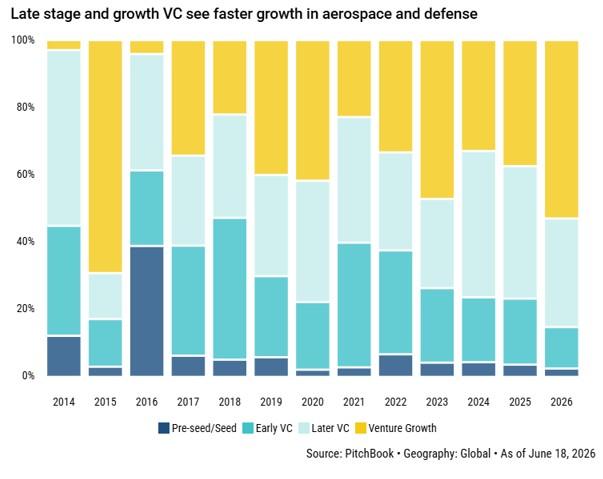
Space Tech Investment Grows in 2026 Amid Congressional Proposals Affecting Contractual IP Rights
Written by : Tom Cowan Key Takeaways : Private investment in space technology continues an upward trend in 2026, with increasing growth in late stage and venture growth deals, including private equity purchases. Against a backdrop of the “dual…
Amendments to Mexico S Federal Law for Protection of Industrial Property Inform More Flexible International Ip Strategy for Biotech Companies
Written by : J ason J. Jardine and Lizzy T. Do Key Takeaway: Amendments to Mexico’s Federal Law for Protection of Industrial Property align more with U.S. Patent and Trademark Office standards for restoring priority and application revival,…
Public Funding for Energy Innovation Impacts Private Intellectual Property Rights
Written by : Kimberly M. Papadantonakis, Ph.D. Key Takeaway : The value of intellectual property developed using government funds depends upon compliance with disclosure and licensing rules. Public investment is critical to the development and…