
From Monopoly to Competition: The Intersection of Patent and Antitrust Law in Promoting Market Efficiency

In a free market economy, competition is essential for promoting innovation, improving product quality, and providing consumers with greater choice and better prices. However, competition can also lead to anti-competitive behavior and the formation of monopolies, which can stifle innovation and harm consumers.
Patent law and antitrust law are two legal frameworks that play a crucial role in balancing innovation and competition in the marketplace. Patents provide inventors with exclusive rights to their inventions for a limited time, allowing them to recoup their investments in research and development and profit from their innovation. This exclusivity also promotes competition by incentivizing other inventors to create new and innovative products that can compete in the market.
On the other hand, antitrust law is designed to prevent the formation of monopolies and promote fair competition in the marketplace. Antitrust law prohibits anti-competitive behavior such as price fixing, market allocation, and monopolization. This helps to ensure that no single company can dominate the market, stifling innovation and harming consumers.
The intersection of patent and antitrust law is crucial in promoting market efficiency. By granting inventors exclusive rights to their inventions, patents incentivize innovation and competition, which can lead to lower prices, improved product quality, and greater consumer choice. At the same time, antitrust law helps to prevent anti-competitive behavior and the formation of monopolies, ensuring that competition remains fair and open to all.
In conclusion, patents and antitrust law work together to promote market efficiency and balance innovation and competition. While patents provide inventors with exclusive rights to their inventions, antitrust law helps to ensure that no single company can dominate the market, promoting fair competition and protecting consumers. By navigating the intersection of patent and antitrust law, inventors and businesses can maximize the value of their innovation while promoting competition and preventing monopolies.
More insights
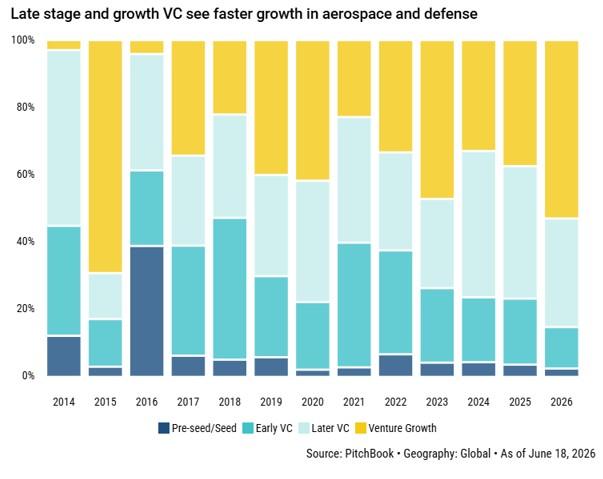
Space Tech Investment Grows in 2026 Amid Congressional Proposals Affecting Contractual IP Rights
Written by : Tom Cowan Key Takeaways : Private investment in space technology continues an upward trend in 2026, with increasing growth in late stage and venture growth deals, including private equity purchases. Against a backdrop of the “dual…
Amendments to Mexico S Federal Law for Protection of Industrial Property Inform More Flexible International Ip Strategy for Biotech Companies
Written by : J ason J. Jardine and Lizzy T. Do Key Takeaway: Amendments to Mexico’s Federal Law for Protection of Industrial Property align more with U.S. Patent and Trademark Office standards for restoring priority and application revival,…
Public Funding for Energy Innovation Impacts Private Intellectual Property Rights
Written by : Kimberly M. Papadantonakis, Ph.D. Key Takeaway : The value of intellectual property developed using government funds depends upon compliance with disclosure and licensing rules. Public investment is critical to the development and…