
Do You Really Want to File for Pharma Patent Protection in Canada, India or Ecuador?
Contributed by Schwegman Lundberg & Woessner. Originally published on Patexia; republished here as part of the LexDana archive.
IPO Letter Reports Weaknesses in IP Protection Around the World
In a 27 page letter dated February 8, 2018 and sent to Sue Chang at the Office of the U.S. Trade Representative, the Executive Director of IPO, Mark Lauroesch, extensively summarizes the flaws in IP protection in a number of countries, including Argentina, China, Mexico, Brazil, India and South Africa, including some you might not expect to be on such a list, such as Australia and Canada. There is a particular emphasis on the ability to effectively claim pharmaceuticals and to keep and enforce such patents if issued.
This letter pulls together a myriad of IP news reports concerning anti-IP laws, policies and case law that arrive piecemeal, often from our “foreign associates.” Every practitioner should at least skim this letter, and it would be easy to dive in deeper, since the letter is exhaustively footnoted. At least, the letter provides an authoritative source with which to advise clients with limited budgets who dream of global patent protection and the profits it will bring. Of course, if the letter were written by, say, a Japanese IP organization and directed to the Office of the Japan Trade Representative, it would probably include the trend in the U.S. to judicially declare wide swaths of subject matter patent ineligible. Our strong IP fortress is starting to look more and more like a glass house.
A Chamber of Commerce survey just listed the US 13th in the world- presumably higher that the countries in the IPO letter
This article was originally published on Patents4Life.com.
Patents4Life is sponsored by Schwegman Lundberg & Woessner, P.A.
More insights
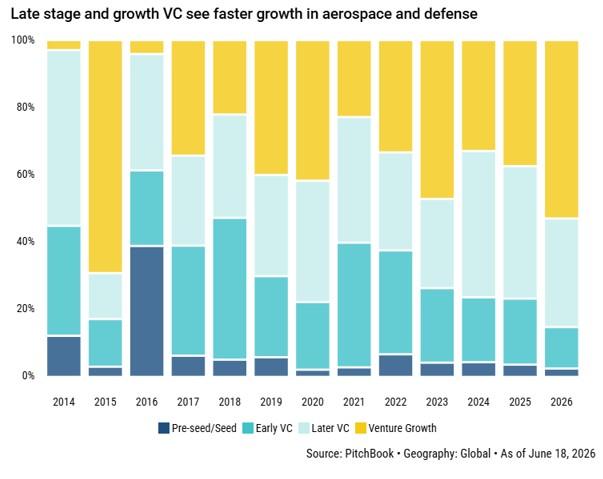
Space Tech Investment Grows in 2026 Amid Congressional Proposals Affecting Contractual IP Rights
Written by : Tom Cowan Key Takeaways : Private investment in space technology continues an upward trend in 2026, with increasing growth in late stage and venture growth deals, including private equity purchases. Against a backdrop of the “dual…
Amendments to Mexico S Federal Law for Protection of Industrial Property Inform More Flexible International Ip Strategy for Biotech Companies
Written by : J ason J. Jardine and Lizzy T. Do Key Takeaway: Amendments to Mexico’s Federal Law for Protection of Industrial Property align more with U.S. Patent and Trademark Office standards for restoring priority and application revival,…
Public Funding for Energy Innovation Impacts Private Intellectual Property Rights
Written by : Kimberly M. Papadantonakis, Ph.D. Key Takeaway : The value of intellectual property developed using government funds depends upon compliance with disclosure and licensing rules. Public investment is critical to the development and…