
Department of Defense Releases a New Intellectual Property Guidebook
Contributed by Knobbe Martens. Originally published on Patexia; republished here as part of the LexDana archive.
Written by: Matthew S. Whitehead and Nicholas Zovko
The Department of Defense (the “DoD”) recently released a new comprehensive guidebook to help navigate intellectual property laws and regulations.
The guidebook states:
In today’s global military competition, DoD needs to encourage continuous technological innovation and question the notion that a single solution from a single vendor will necessarily meet the warfighter’s needs for the life of a capability requirement. IP plays a critical role in fostering and enabling competition throughout the life cycle of a capability and was a cornerstone of the President’s statement on competition in the defense sector evaluation of the state of competition in the country.
Accordingly, the guidebook is intended to aid the DoD in meeting its mission for national security while incentivizing innovation in industry and protecting the nation’s resources.
Steve Morani, the acting Assistant Secretary of Defense for Sustainment, stated:
The Department's thoughtful management of IP entails collaboration with industry to employ modern business models that leverage emerging technologies and capabilities for long-term partnership.
The DoD’s annual budget for defending and deterring strategic attacks against the United States and its allies exceeds $800 billion. The DoD contracts with private industry to develop and purchase goods and services to support its mission. The DoD paid more than $150 billion to aerospace contractors in fiscal year 2023. This number may increase in the future as the President recently proposed an annual budget for the DoD exceeding $1 trillion.
A press release regarding the IP guidebook is available here.
More insights
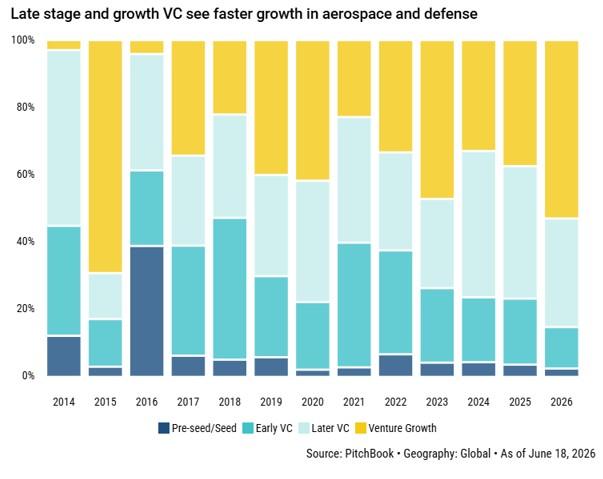
Space Tech Investment Grows in 2026 Amid Congressional Proposals Affecting Contractual IP Rights
Written by : Tom Cowan Key Takeaways : Private investment in space technology continues an upward trend in 2026, with increasing growth in late stage and venture growth deals, including private equity purchases. Against a backdrop of the “dual…
Amendments to Mexico S Federal Law for Protection of Industrial Property Inform More Flexible International Ip Strategy for Biotech Companies
Written by : J ason J. Jardine and Lizzy T. Do Key Takeaway: Amendments to Mexico’s Federal Law for Protection of Industrial Property align more with U.S. Patent and Trademark Office standards for restoring priority and application revival,…
Public Funding for Energy Innovation Impacts Private Intellectual Property Rights
Written by : Kimberly M. Papadantonakis, Ph.D. Key Takeaway : The value of intellectual property developed using government funds depends upon compliance with disclosure and licensing rules. Public investment is critical to the development and…