
Dealing with SEP Demands & Royalty Stacking
Contributed by Ropes & Gray. Originally published on Patexia; republished here as part of the LexDana archive.
Seeking More Granularity on Patent Pools?
Patent pools and groupings of standard essential patents (SEPs) facilitate one-stop shopping of patent licensees. When operated fairly, these arrangements can provide meaningful efficiencies to licensors and licensees alike. On the other hand, there is also ample room for abuse given the brute strength of such large portfolios.
While the Patent Trial & Appeal Board (PTAB) can be an appealing solution to combat improvidently granted patents, it is not a realistic option for an implementer facing a large pool that might include patents of questionable merit. Thus, when this “big stick” leverage is abused, unreasonable license valuations/demands can go unchecked. When such undesirable economic practices are multiplied across pools, “royalty stacking” becomes especially problematic for implementers, and ultimately, consumers.
In an effort to regulate potentially abusive licensing practices for patent pools/SEPs, Unified Patents has begun to offer independent economic studies on these large patent licensing entities as part of its suite of patent risk management services. The studies endeavor to provide an independent economic evaluation of fair royalty rates as a function of benefit/risk. For example, see the HEVC codec press release (here).
Together with additional Unified Patent tools offered to members of its “SEP zones,” royalty and validity granularity can be assessed to make more informed decisions on license valuations.
Scott A. McKeown is an author of the Patents Post Grant
More insights
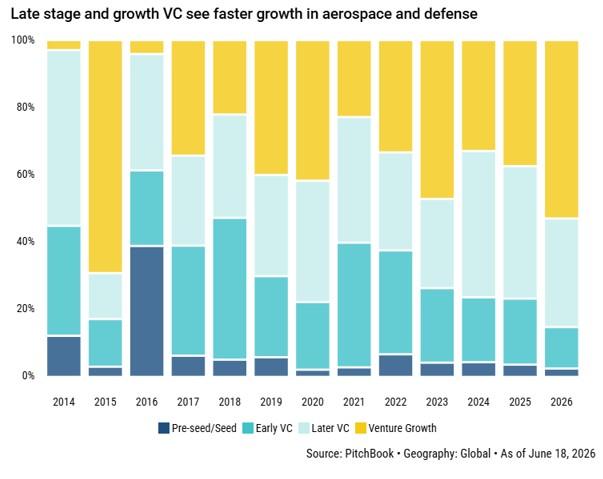
Space Tech Investment Grows in 2026 Amid Congressional Proposals Affecting Contractual IP Rights
Written by : Tom Cowan Key Takeaways : Private investment in space technology continues an upward trend in 2026, with increasing growth in late stage and venture growth deals, including private equity purchases. Against a backdrop of the “dual…
Amendments to Mexico S Federal Law for Protection of Industrial Property Inform More Flexible International Ip Strategy for Biotech Companies
Written by : J ason J. Jardine and Lizzy T. Do Key Takeaway: Amendments to Mexico’s Federal Law for Protection of Industrial Property align more with U.S. Patent and Trademark Office standards for restoring priority and application revival,…
Public Funding for Energy Innovation Impacts Private Intellectual Property Rights
Written by : Kimberly M. Papadantonakis, Ph.D. Key Takeaway : The value of intellectual property developed using government funds depends upon compliance with disclosure and licensing rules. Public investment is critical to the development and…