
Common Pitfalls in ANDA Preparation and How to Avoid Them

When it comes to preparing an Abbreviated New Drug Application (ANDA), there are several common pitfalls that applicants often encounter. These pitfalls can significantly impact the approval process and delay the launch of a generic drug in the market. However, by being aware of these challenges and taking proactive measures, applicants can navigate through the ANDA preparation smoothly. In this article, we will explore some of the most common pitfalls in ANDA preparation and provide valuable tips on how to avoid them.
Insufficient Understanding of Regulatory Requirements:
One of the major pitfalls in ANDA preparation is a lack of comprehensive knowledge about the regulatory requirements set forth by the Food and Drug Administration (FDA). Failure to understand and comply with these requirements can lead to rejection or delay in the approval process. To avoid this, applicants should invest time in thoroughly studying the FDA guidelines, attending regulatory seminars, and seeking expert advice. Maintaining open communication with regulatory consultants can help ensure a thorough understanding of the requirements and streamline the ANDA preparation.
Inadequate Documentation of Pharmaceutical Equivalence:
Pharmaceutical equivalence is a critical aspect of ANDA preparation. Many applicants fall into the pitfall of insufficiently documenting the equivalence between the proposed generic drug and the reference listed drug (RLD). To avoid this, it is essential to conduct comprehensive comparative studies, including active ingredient characterization, formulation analysis, and performance testing. Additionally, thorough documentation of the results, methodologies, and rationale behind the chosen approach is crucial. A well-documented demonstration of pharmaceutical equivalence increases the chances of a successful ANDA submission.
Neglecting Bioequivalence Studies:
Bioequivalence studies play a pivotal role in ANDA preparation. They establish that the proposed generic drug exhibits comparable efficacy and safety profiles to the RLD. However, many applicants underestimate the importance of conducting robust and well-designed bioequivalence studies. To avoid this pitfall, it is crucial to invest in high-quality study design, appropriate sample sizes, and relevant statistical analysis. Consulting experienced bioequivalence experts and adhering to the FDA's guidelines for conducting bioequivalence studies can significantly enhance the chances of approval.
Lack of Attention to Patent and Exclusivity Challenges:
Patent and exclusivity issues can pose significant challenges in ANDA preparation. Ignoring or inadequately addressing these challenges can lead to legal disputes and delayed market entry. To avoid this pitfall, applicants should conduct a thorough patent landscape analysis to identify any potential barriers. Collaborating with patent attorneys and utilizing strategies such as Paragraph IV certifications or challenging patents through litigation can help navigate these challenges effectively.
Inadequate Communication and Collaboration:
Poor communication and collaboration among the various stakeholders involved in the ANDA preparation can be a significant pitfall. Lack of coordination between regulatory, scientific, legal, and quality assurance teams can result in incomplete or inconsistent submissions. Establishing clear lines of communication, holding regular meetings, and assigning clear responsibilities can help avoid this pitfall. Collaboration and effective teamwork are crucial for a successful ANDA submission.
ANDA preparation can be a complex and challenging process, but being aware of the common pitfalls can help applicants navigate it smoothly. By understanding the regulatory requirements, documenting pharmaceutical equivalence, conducting robust bioequivalence studies, addressing patent challenges, and fostering effective communication and collaboration, applicants can increase their chances of a successful ANDA submission. Avoiding these pitfalls not only streamlines the approval process but also facilitates the timely availability of affordable generic drugs, benefiting patients and the healthcare system as a whole.

More insights
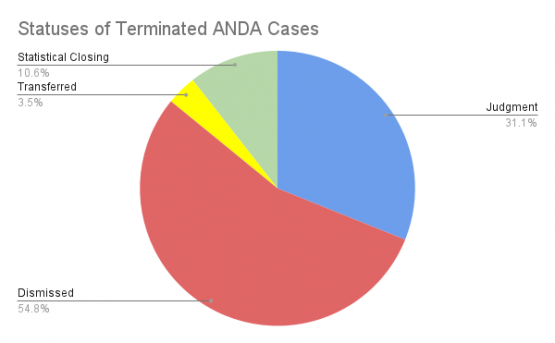
Patexia Insight 254: Rankings of Leading ANDA Litigation Attorneys
ANDA litigation remains one of the most demanding areas of patent law, where outcomes often hinge on the experience and judgment of individual attorneys. In disputes that determine when a generic drug can enter the market, the role of lead counsel is…
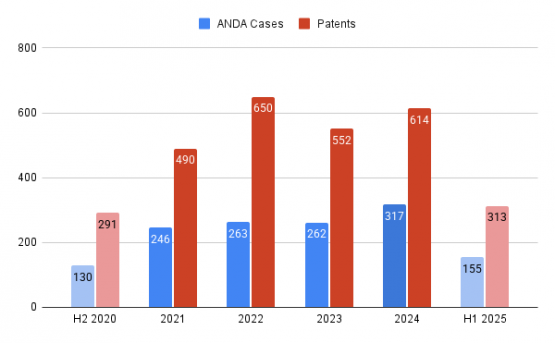
Patexia Insight 246: What the Latest Data Reveals About ANDA Litigation Trends
Abbreviated New Drug Application (ANDA) litigation remains one of pharma’s most contested arenas. With market exclusivity and billions in annual sales on the line, each case influences competition, pricing, and the speed at which patients see…
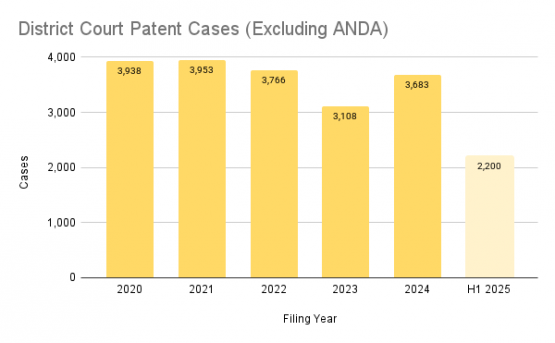
Patexia Insight 243: Patent Litigation Trends and Insights from the First Half of 2025
Over the past several years, patent litigation has gone through its share of ups and downs. Shifting legal standards, evolving strategies by patent owners and defendants, and broader economic factors have all played a role in defining the volume and nature…